Environmental Impact Assessment (EIA) is one of the most important tools for ensuring a balance between economic development and...

The Importance of Recycling in Environmental Conservation: Benefits, Harms, and Solutions
Recycling is considered one of the most important modern solutions that contribute to environmental protection and pollution reduction, especially with the increasing amounts of waste generated from industrial and commercial activities.
Instead of disposing of waste in traditional ways, it can be reused and transformed into valuable materials, which helps reduce environmental impact and achieve sustainability.
In this article, we explore the importance of recycling, the consequences of not applying it, and its key benefits for the environment and society.
What Is Recycling?
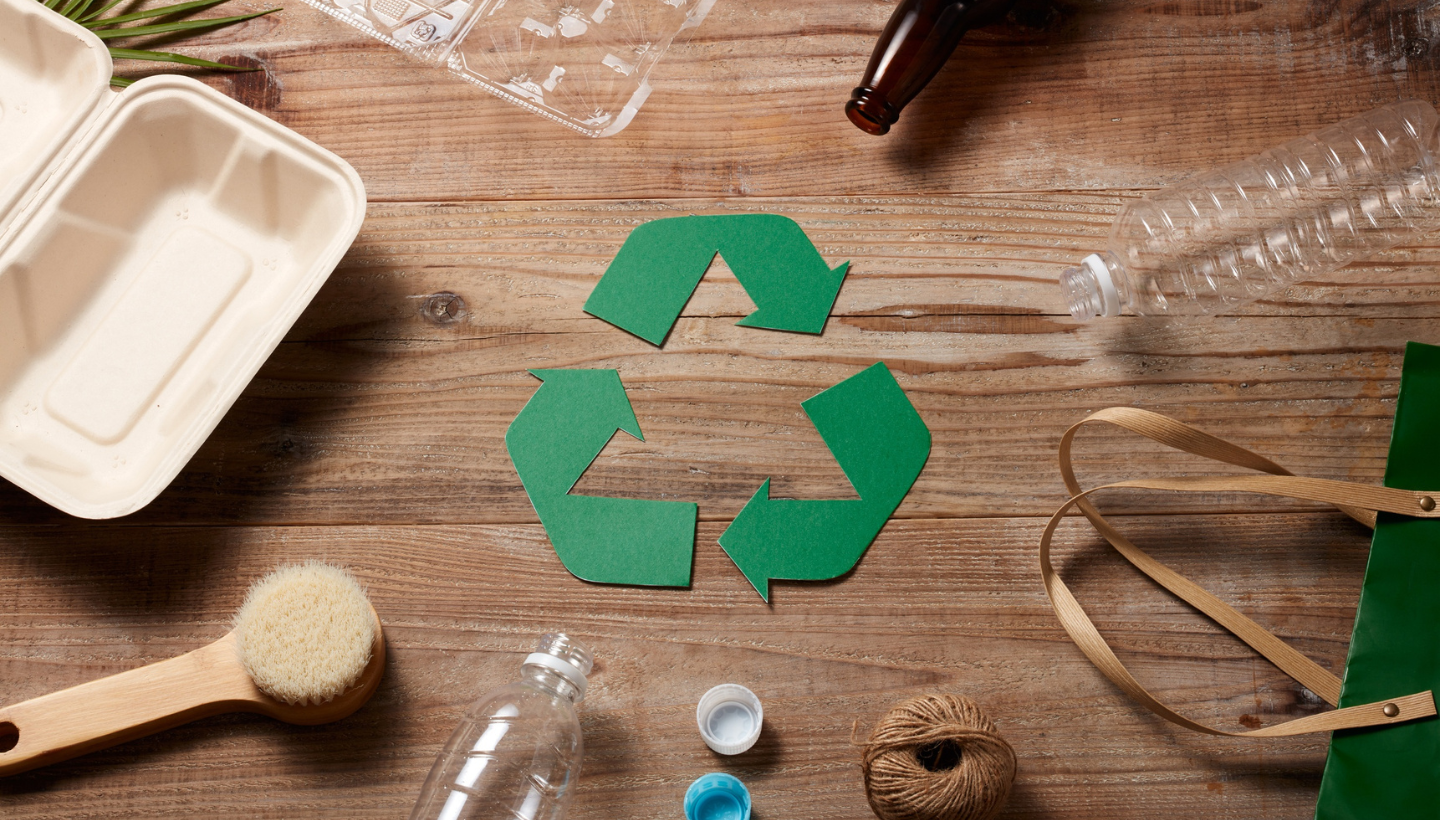
Recycling is defined as the process of converting waste materials into raw materials or new products that can be used again instead of disposing of them in landfills.
Recycling includes:
- Organic waste
- Plastic
- Metals
- Paper
- Glass
- Electronic waste
The Importance of Recycling in Environmental Conservation
Recycling contributes directly to environmental protection by:
Reducing environmental pollution
- Decreasing the amount of waste sent to landfills
- Limiting air and water pollution
Conserving Natural Resources
- Reducing the need to extract new raw materials
- Extending the lifespan of natural resources
Supporting agriculture
Recycled organic materials can be used as:
- Natural fertilizer
- Soil fertility improver
Raising Environmental Awareness
- Promoting a culture of sustainability
- Encouraging society to adopt environmentally responsible behavior
Negative Impacts of Not Recycling
Failure to implement recycling leads to many environmental problems, including:
Increased pollution
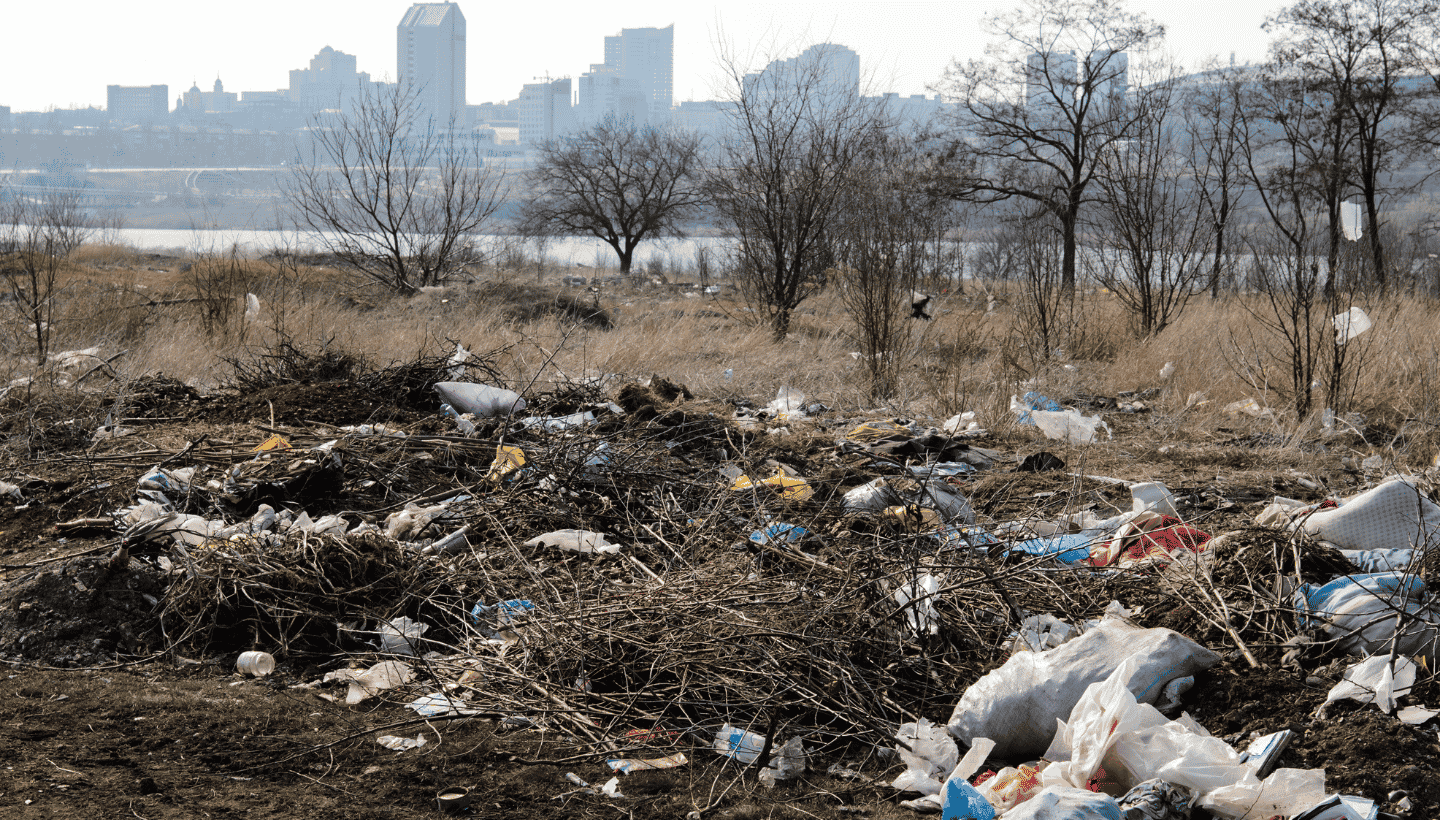
- Accumulation of waste
- Spread of odors and pollutants
Rising temperatures (climate change)
- Increased emissions from producing materials from scratch
- Higher greenhouse gas emissions
Depletion of natural resources
- Excessive consumption of raw materials
- Degradation of the natural environment
Overfilling of landfills
- Increased need for new landfill sites
- Higher operational costs
Benefits of Recycling for Society
Recycling provides multiple benefits beyond the environmental aspect, such as:
- Improving the urban appearance of cities
- Reducing production costs
- Creating new job opportunities
- Reducing the volume of hazardous waste
- Supporting the circular economy
How Does Recycling Contribute to Sustainability?
Recycling is a fundamental component of environmental sustainability, as it helps:
- Reduce emissions
- Improve resource efficiency
- Decrease the environmental impact of projects
The Role of Environmental Care Office
At the Environmental Care Office for Environmental Consulting, we help organizations:
- Develop waste management systems
- Implement recycling programs
- Achieve environmental compliance
- Reduce risks and penalties
We also work on transforming waste from an operational burden into a sustainable economic opportunity.
Practical Tips for Implementing Recycling
To start applying recycling:
- Sorting waste at the source
- Using dedicated bins for each type of waste
- Reducing the use of plastic materials
- Reusing recyclable materials
- Cooperating with specialized companies
Recycling is not just an environmental option; it is a necessity for achieving a sustainable future. Every step toward reusing resources contributes to reducing pollution and protecting our planet for future generations. Start today… and turn waste into an opportunity.
Ready to start your project?
Previous Story
Future and Environmental Conservation
Next Story
Environmental Degradation and Our Lives
Related Posts
Soil pollution is one of the most serious forms of environmental pollution, as it threatens human health and the...
Environmental degradation has become one of the most serious challenges facing the world today, as environmental pollution directly threatens...