Environmental Impact Assessment (EIA) is one of the most important tools for ensuring a balance between economic development and...

Soil Pollution: Causes, Risks, and Methods of Treatment and Protection
Soil pollution is considered one of the most serious forms of environmental pollution that threatens human health and the sustainability of natural resources, as soil directly affects agriculture, water quality, and food safety.
With the expansion of industrial and agricultural activities, soil degradation has become an increasing environmental issue that requires effective and sustainable solutions.
What Is Soil Pollution?
Soil pollution is defined as a change in the properties of soil resulting from the increase or accumulation of toxic or contaminated substances within it, leading to an imbalance in the environmental system.
Sources of soil pollution include:
- Chemical substances
- Pesticides and fertilizers
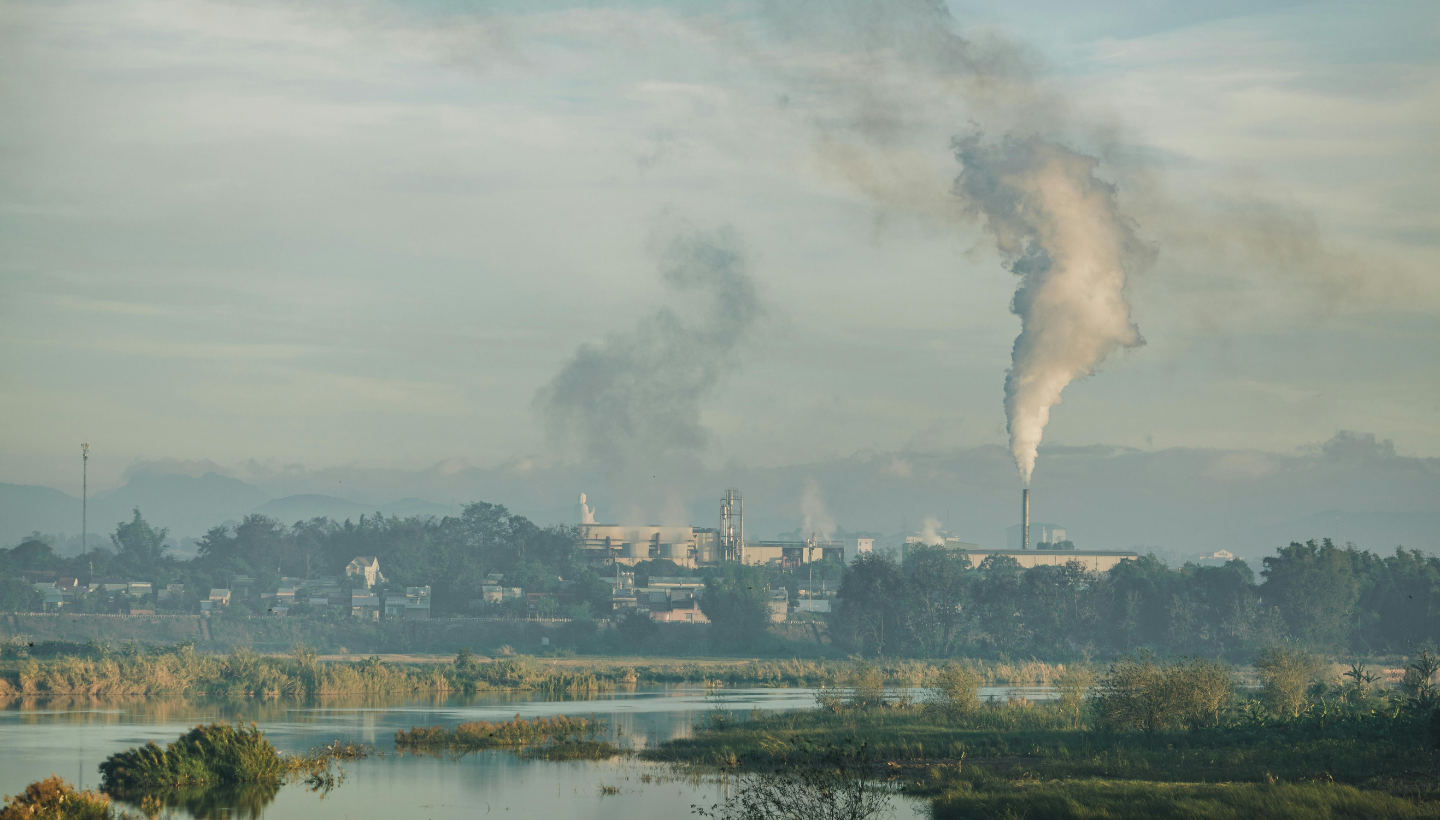
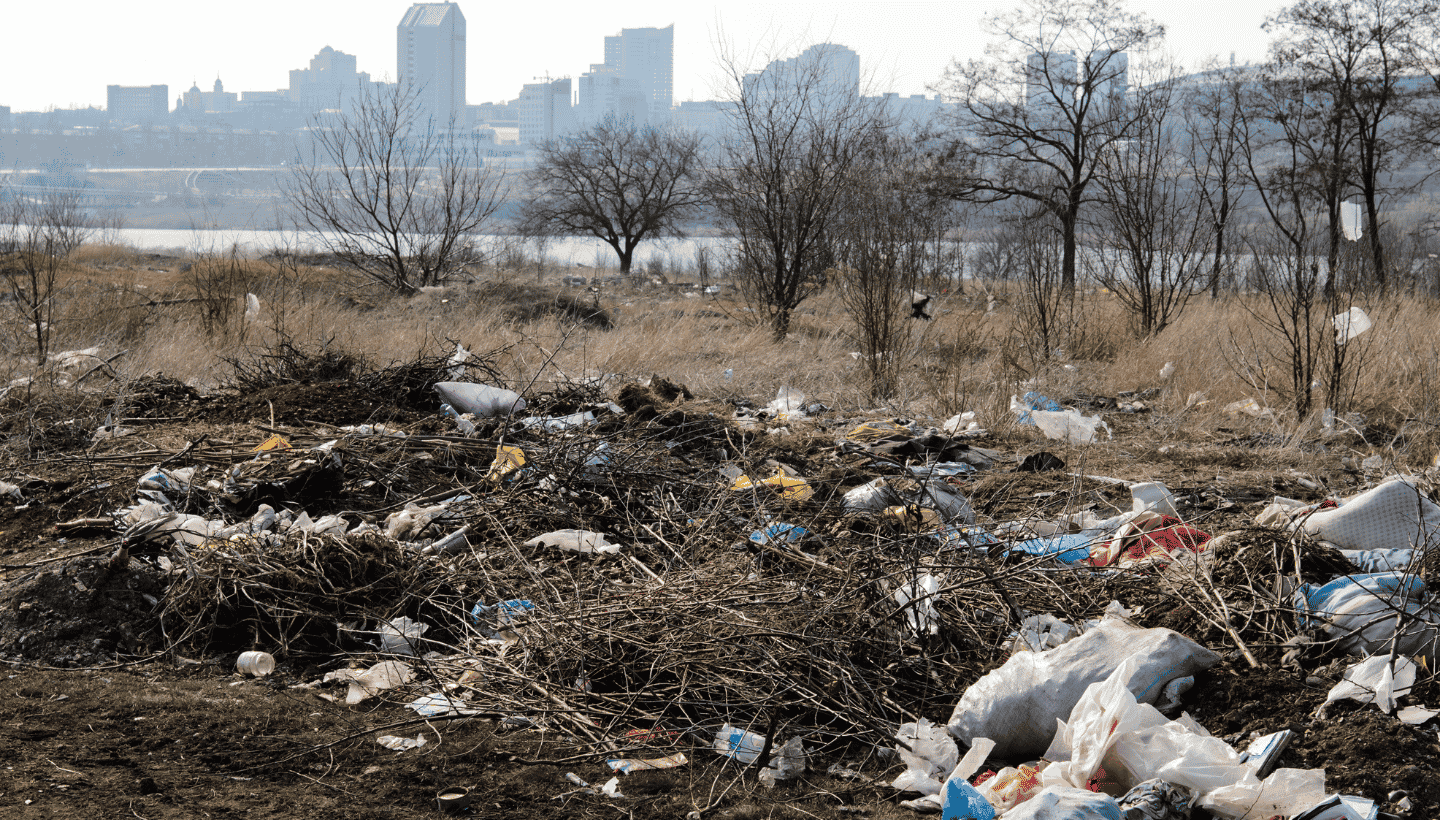
- Industrial waste
- Heavy metals
This pollution can spread to:
- Groundwater
- Air
- Plants and living organisms
Which poses a direct threat to human health.
Why Is Soil Pollution a Serious Problem?
Although air and water pollution receive greater attention, soil is considered one of the most important environmental systems because it is:
- The foundation of agricultural production
- A primary source of food
- A key element in maintaining ecological balance
Its degradation represents a direct threat to food security and sustainability.
Causes of Soil Pollution
The causes of soil pollution vary between natural and human factors, but the greatest impact results from human activities.
1. Agricultural Pollution
- Excessive use of pesticides
- Overuse of chemical fertilizers
- Accumulation of nitrates in the soil
Result:
- Changes in soil properties
- Contamination of groundwater
- Increased health risks and diseases
2. Industrial Activities
- Chemical waste
- Industrial leaks and spills
- Toxic substances
Some pollutants include:
3. Construction and Urban Expansion
- Covering soil with concrete
- Soil compaction and reduced aeration
- Loss of soil fertility
This phenomenon is known as soil degradation caused by urban expansion.
4. Transportation Activities
- Emission of heavy metals
- Hydrocarbon contamination
Studies indicate that:
More than 90% of lead pollution is associated with traffic activities.
5. Natural Factors
Such as:
- Volcanoes
- Ash fall
- Natural environmental changes
However, their impact is generally lower compared to human activities.
Risks of Soil Pollution
Soil pollution leads to serious impacts, including:
Health Risks
- Transfer of toxins through the food chain
- Increase in chronic diseases
- Respiratory system problems
Agricultural Productivity Decline
- Reduced soil fertility
- Lower crop quality
Water Pollution
- Transfer of pollutants to groundwater
- Contamination of drinking water sources
Loss of Biodiversity
- Death of microorganisms
- Disruption of the ecosystem
How Can Soil Pollution Be Treated?
Soil pollution can be reduced through practical solutions such as:
Reducing the use of chemical substances
- Using eco-friendly alternatives
- Improving agricultural practices
Treatment of Contaminated Soil
- Removing pollutants
- Site remediation and rehabilitation
Safe Waste Management
- Proper disposal of industrial waste
- Preventing leaks and spills
Sustainable Urban Planning
- Reducing unplanned urban expansion
- Preserving natural soil and land resources
The Role of Environmental Care Office
At the Environmental Care Office for Environmental Consulting, we work on:
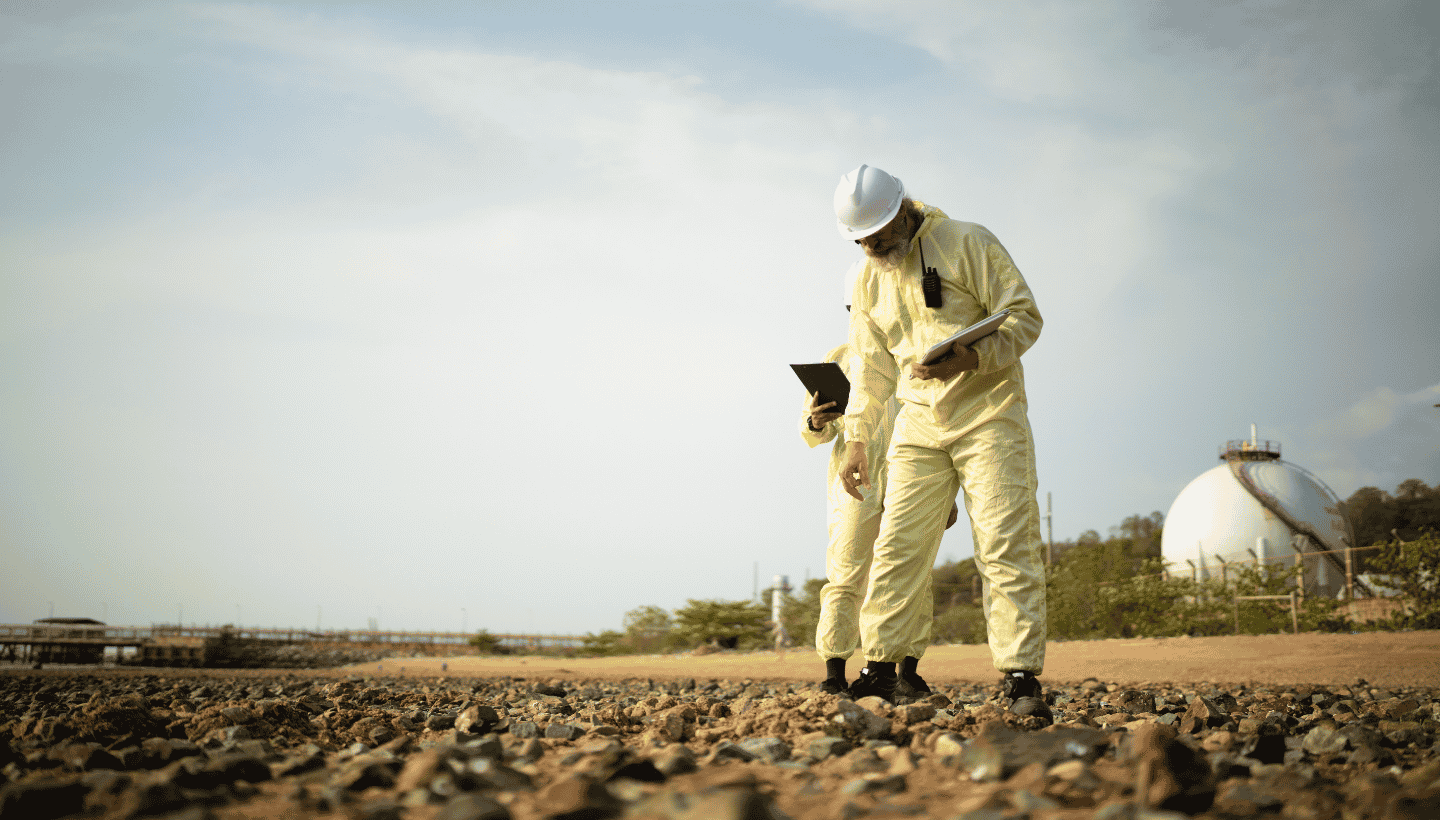
- Assessing soil pollution and analyzing risks
- Preparing environmental studies for projects
- Providing solutions for contaminated soil remediation
- Developing environmental compliance plans
- Supporting organizations in reducing environmental impact
We don’t just provide reports…
we deliver practical solutions to protect the environment and ensure resource sustainability
Soil pollution is a silent but deeply impactful threat to our daily lives and the future of coming generations.
Protecting the soil today…
means protecting food, water, and life tomorrow 🌱
Ready to start your project?
Previous Story
Environmental Degradation and Our Lives
Next Story
Environmental Impact Assessment (EIA)
Related Posts
Environmental degradation has become one of the most serious challenges facing the world today, as environmental pollution directly threatens...
Recycling is considered one of the most important modern solutions that contribute to environmental protection and pollution reduction, especially...